
 English
 العربية
 Русский
 Français
 Español
 বাংলা
বাংলা
 Kiswahili
 Deutsch
 中文
中文
 日本語
日本語
 हिंदी
हिंदी

Cataract Surgery in India: What International Patients Should Expect?
Cataract surgery is one of the most commonly performed and highly successful procedures worldwide. With aging populations and increasing awareness about vision health, many international patients are now exploring treatment options beyond their home countries. India has emerged as a leading destination, offering advanced cataract care at significantly lower costs without compromising quality.
At Claritas Eye and Retina Institute, a reputed Eye Hospital in Delhi, patients receive personalized care under the expertise of experienced ophthalmologists like Dr. Mayank Bansal. The institute combines modern technology with patient-centric treatment, making it a preferred choice for both domestic and international patients seeking reliable eye care.
“Cataract surgery today is quick, safe, and highly effective. With the right technology and expertise, patients can achieve excellent visual outcomes and a faster recovery.”
Why Do International Patients Choose India for Cataract Surgery?
India has become a preferred destination for cataract surgery among international patients due to its unique combination of affordability, advanced technology, and expert care. Here are the key reasons why patients from the UK, US, and other countries choose India:
- Cost-Effective Treatment
One of the biggest advantages is the cost. Cataract procedures in India are typically 60–70% more affordable compared to Western countries, making high-quality care accessible without financial strain.
- Highly Experienced Ophthalmologists
India is home to skilled and experienced eye specialists who perform a high volume of cataract surgeries, ensuring precision and consistent outcomes.
- Advanced Surgical Technology
Claritas Eye & Retina Institute uses modern techniques such as phacoemulsification and laser-assisted cataract surgery, along with premium intraocular lenses (IOLs) for improved visual results.
- Short Waiting Time
Unlike long waiting periods in some countries, patients can often schedule consultations and surgery within a few days.
- Comprehensive Patient Care
Top hospitals, including Claritas Eye & Retina Institute, a trusted eye hospital in Delhi, offer dedicated international patient services such as assistance with travel, accommodation, and follow-up care.
- High Success Rates
Cataract surgery in India has a high success rate, with most patients experiencing significant improvement in vision shortly after the procedure.
- Access to Specialized Eye Care
In addition to cataract procedures, patients can access advanced treatments such as Retina Surgery in Delhi, making India a one-stop destination for comprehensive eye care.
These factors make India a reliable and cost-effective choice for international patients seeking safe and high-quality cataract surgery.
What Is the Cataract Surgery Procedure Like in India?
Cataract surgery in India is a well-structured, efficient, and patient-friendly process designed to deliver safe and precise outcomes. At Claritas Eye and Retina Institute, a reputed Eye Hospital in India, international patients can expect a smooth journey from consultation to recovery.
Step 1: Detailed Eye Evaluation
The process begins with a comprehensive eye examination. Advanced diagnostic tests are performed to assess:
- Cataract severity
- Corneal health
- Retina condition
- Overall eye health
This step ensures that the treatment plan is tailored to the patient’s specific needs.
Step 2: Personalized Treatment Plan
Based on the evaluation, the ophthalmologist recommends the most suitable surgical technique and intraocular lens (IOL). Patients can choose from options such as:
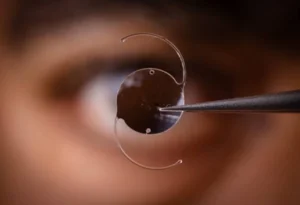
- Monofocal lenses
- Multifocal lenses
- Toric lenses (for astigmatism correction)
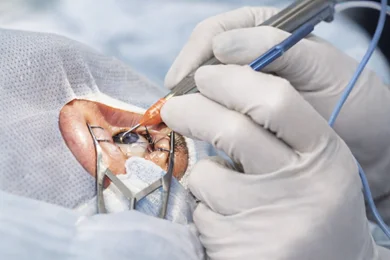
- The surgery typically takes 15–30 minutes per eye
- Performed under local anesthesia (eye drops)
- A small incision is made, and the cloudy lens is removed using advanced techniques like phacoemulsification
- A clear artificial lens (IOL) is implanted
- Patients are monitored for a short period
- Vision may appear slightly blurred initially
- Most patients can return to their accommodation the same day
- Prescribed eye drops
- Protective measures (like avoiding rubbing the eyes)
- Follow-up appointments before travel
What Should International Patients Expect After Cataract Surgery?
Recovery after cataract surgery is generally quick and smooth.
Immediate Recovery
- Vision begins to improve within 24–48 hours
- Mild irritation or blurred vision may occur temporarily
Follow-Up Care
- Patients typically require 1–2 follow-up visits before traveling back
- Eye drops are prescribed to prevent infection and inflammation
Vision Stabilization
- Final vision stabilizes over a few weeks
- Most patients can resume normal activities within a few days
What Precautions Should Patients Take After Returning Home?
Following the right precautions protects your surgical outcome and helps you achieve the best possible vision.
Ongoing Eye Drop Regimen
Continue your prescribed antibiotic and steroid eye drops exactly as instructed until the course is complete. Do not stop early, even if your eye feels fine. The typical regimen lasts three to four weeks, with a tapering schedule for the steroid drops.
Activities to Avoid
- Swimming and hot tubs: Avoid for four weeks after surgery to prevent infection
- Eye rubbing: Avoid completely for the first four weeks
- Strenuous exercise: Avoid heavy lifting and contact sports for three to four weeks
- Dusty or smoky environments: Wear protective eyewear outdoors during the initial healing period
- Driving at night: Avoid until you have been cleared by your local eye doctor
Warning Signs to Watch For
Contact your nearest eye hospital immediately if you notice any of the following after returning home:
- Sudden, significant decrease in vision
- Increasing pain or redness in the eye
- Flashes of light or a new shower of floaters (which could indicate retinal detachment)
- Discharge from the eye
Why Choose Claritas Eye and Retina Institute?
Expert Leadership by Dr. Mayank Bansal
The institute is led by Dr. Mayank Bansal, an internationally trained ophthalmologist with experience from institutions like AIIMS, New Delhi and global fellowships including FRCS (UK). He has performed 10,000+ successful eye surgeries, including complex cataract and retinal procedures, ensuring high precision and excellent outcomes.
Advanced Technology & Modern Infrastructure
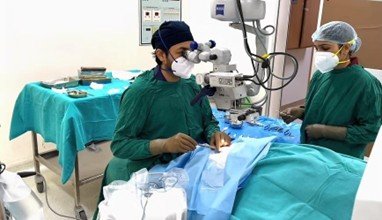
Claritas is equipped with state-of-the-art diagnostic and surgical systems, enabling accurate diagnosis and minimally invasive treatments. From advanced cataract techniques to micro-incisional retinal surgeries, patients benefit from the latest innovations in eye care.
Comprehensive Eye Care Under One Roof
The institute offers a wide range of services, including:
- Cataract surgery with premium IOLs
- Advanced Retina Surgery in Delhi
- Refractive (spectacle removal) procedures
- Treatment for diabetic eye diseases and macular conditions
Personalized & Patient-Centric Approach
Every patient receives a customized treatment plan based on their eye condition, lifestyle, and vision goals. The team ensures continuous support from consultation to post-surgery follow-up, improving overall patient experience.
Strong Focus on International Patients
Claritas provides dedicated services for global patients, including:
- Travel and accommodation assistance
- Easy accessibility from the airport and metro
- Language support and guided care throughout the journey
This makes it especially convenient for those traveling for Cataract Surgery in Delhi or other advanced procedures.
High Standards of Safety and Care
The institute follows international hygiene and safety protocols, ensuring that patients receive treatment comparable to global standards while benefiting from cost-effective care.
Conclusion
Cataract surgery in India offers international patients a genuinely compelling combination: world-class surgical expertise, premium technology, rapid scheduling, and costs that are a fraction of those in Western countries. For patients who approach the decision carefully choosing the right hospital, surgeon, and support system , the outcomes are excellent and the experience is far smoother than many expect.
At Claritas Eye and Retina Institute, one of Delhi’s leading eye hospitals, Dr. Mayank Bansal and his team are committed to making that experience as seamless and reassuring as possible, from your first teleconsultation to your final discharge report. Whether you need cataract surgery, a retinal procedure, or both, the expertise and infrastructure are here to meet you at the highest standard.
Visit Claritas Eye & Retina Institute to request a consultation or share your reports for a pre-travel assessment.
FAQs
1. Is cataract surgery in India safe for international patients?
2. How much does cataract surgery cost in India for international patients?
3. How long should I stay in India for cataract surgery?
4. Is cataract surgery painful?
5. How soon can I fly after cataract surgery?
6. Can both eyes be operated on during the same trip?
7. What is the success rate of cataract surgery in India?
Disclaimer:
The information shared in this content is for educational purposes and not for promotional use.