
 English
 العربية
 Русский
 Français
 Español
 বাংলা
বাংলা Kiswahili
 Deutsch
 中文
中文 日本語
日本語 हिंदी
हिंदी
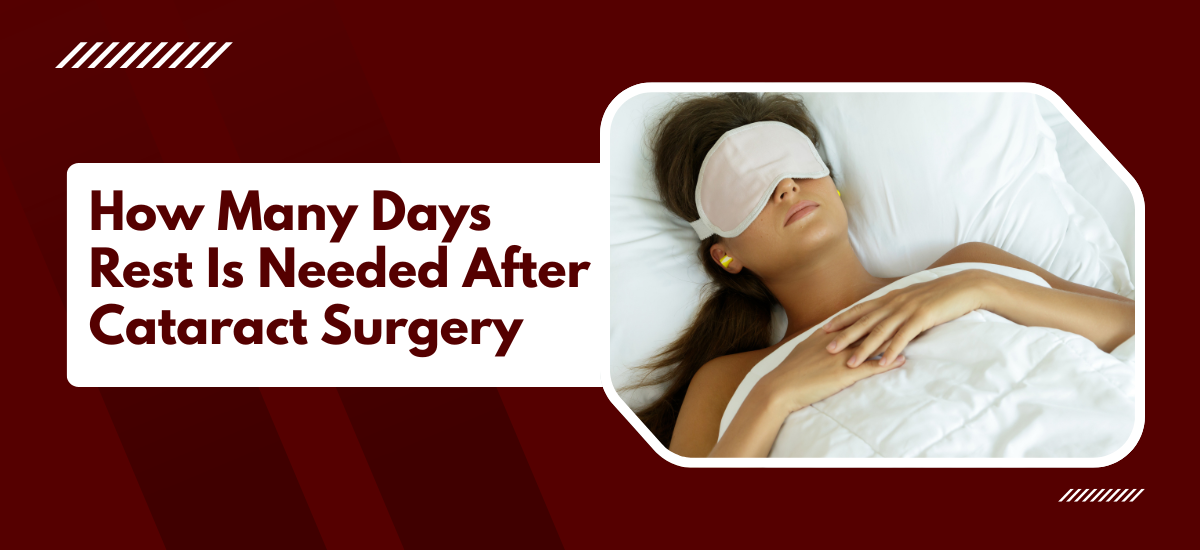
How Many Days Rest Is Needed After Cataract Surgery?
Cataract surgery is one of the most successful and commonly performed eye procedures worldwide. It involves removing the eye’s natural, cloudy lens and replacing it with a clear artificial intraocular lens to restore vision. The surgery is usually quick, minimally invasive, and done as a day-care procedure. However, after the procedure, patients often wonder about recovery guidelines, especially how many days rest is needed after cataract surgery.
According to Dr. Mayank Bansal, while most patients notice improved vision within a few days, proper rest during the early recovery phase is vital for stabilizing vision and preventing strain. He emphasizes that healing continues internally even if you feel comfortable externally, making balanced activity and caution essential.
At Claritas Eye & Retina Institute, a reputed eye hospital in Delhi, Dr. Mayank Bansal, eye specialist in Delhi carefully monitors patient recovery through structured follow-ups and personalized advice. With extensive expertise in cataract and retina procedures, he ensures each patient receives evidence-based guidance tailored to their lifestyle and health profile. His approach combines advanced surgical technology with detailed post-operative care to support safe healing and long-term visual clarity.
Wondering how long recovery actually takes? Let’s understand the healing timeline after cataract surgery
Understanding Cataract Surgery Recovery Time
Recovery after cataract surgery happens in stages:
- First 24 hours: Mild discomfort, light sensitivity, and blurred vision are common
- First 2–3 days: Vision begins stabilizing; most patients notice clearer sight
- First week: Significant improvement; most daily tasks become comfortable
- 4–6 weeks: Complete internal healing of the eye
Although vision improves quickly, the eye remains sensitive during the early stages of healing. Rest in the initial days helps prevent strain, infection, and complications.
Want clarity about your recovery timeline? Speak with an expert to assess healing progress and ensure everything is on track.
Wondering how long recovery actually takes? Let’s understand the healing timeline after cataract surgery
How Many Days of Complete Rest Are Required After Cataract Surgery?
Most patients do not require complete bed rest. However:
- First 24–48 hours, minimal activity is advised
- Avoid bending, lifting heavy objects, or straining
- Limit screen exposure and reading for long hours
- Sleep with protective eye shields if advised
Generally, 2–3 days of reduced activity are sufficient. Complete inactivity is not necessary, but avoiding physical strain is important.
Patients who undergo cataract surgery in Delhi at Claritas are typically advised individualized rest plans based on their health and the type of lens implanted.

Eager to return to your normal routine? Let’s explore when you can safely resume different activities
When Can You Resume Normal Daily Activities After Cataract Surgery?
- Resume light household activities within 2–3 days
- Watch TV within 24 hours if comfortable
- Return to office work within 3–5 days
- Drive after medical clearance, usually within 3–7 days
- Avoid swimming or gym workouts for at least 2–3 weeks
Concerned about complications? Let’s discuss the signs that need immediate attention
What Warning Signs Should You Watch for After Cataract Surgery?
While recovery is typically smooth, watch for:
- Persistent or worsening pain
- Sudden drop in vision
- Increasing redness
- Flashes of light or floaters
- Excessive swelling
- Severe headache with nausea
These may indicate infection or increased eye pressure and require prompt evaluation. Early intervention ensures better outcomes and prevents long-term damage.
Not sure if your symptoms are normal? Let’s clarify when professional advice is essential
When to Consult a Surgeon
You should seek medical attention if:
- Vision does not improve within a few days
- Discomfort increases instead of decreasing
- You experience light sensitivity beyond the expected range
- You accidentally rub or injure the operated eye
Follow-up visits are crucial, typically scheduled within 1 day, 1 week, and 1 month after surgery.
Notice anything unusual? Connect with an eye specialist immediately for timely evaluation and smooth recovery.
Conclusion
Cataract surgery offers rapid visual improvement, but recovery still requires thoughtful care. While most patients do not need prolonged bed rest, 2–3 days of reduced activity and avoidance of physical strain are generally recommended. Healing continues internally for several weeks, even if vision feels clear early on.
Following post-operative instructions, attending follow-up visits, and monitoring for unusual symptoms are essential steps for safe recovery. With proper guidance from an experienced ophthalmologist like Dr. Mayank Bansal, patients can return to normal activities confidently after cataract surgery.
FAQs
1. How many days should I take off work after cataract surgery?
Most patients return to desk jobs within 3–5 days, depending on comfort and vision clarity.
2. Can I walk immediately after cataract surgery?
Yes, light walking is allowed on the same day, avoiding strenuous movement.
3. When can I sleep on my side after surgery?
Avoid sleeping on the operated side for at least 1 week unless advised otherwise.
4. Is blurred vision normal after surgery?
Mild blurring is common during the first few days and gradually improves.
5. Can I use my mobile phone after cataract surgery?
Yes, but limit usage during the first 48 hours to avoid eye strain.
6. When can I wash my face after cataract surgery?
You may wash your face carefully after 1–2 days, avoiding water from entering your eyes.
7. Is redness normal after cataract surgery?
Mild redness is common and usually resolves within a few days.
8. How long do I need to use eye drops?
Typically, eye drops are prescribed for 3–4 weeks as per the surgeon’s instructions.
9. Can I travel after cataract surgery?
Short-distance travel is allowed after a few days; long-distance travel should be discussed with your surgeon.
9. Can I travel after cataract surgery?
Short-distance travel is allowed after a few days; long-distance travel should be discussed with your surgeon.
10. Is light sensitivity normal after surgery?
Yes, temporary light sensitivity is common and gradually improves.
11. Can cataracts return after surgery?
No, cataracts do not return, but some patients may develop posterior capsule opacity, which is treatable.
Reference links:
https://www.healthline.com/health/eye-health/cataract-surgery-recovery
https://www.medicalnewstoday.com/articles/do-and-don-t-after-cataract-surgery
Disclaimer: The information shared in this content is for educational purposes and not for promotional use.