
 English
 العربية
 Русский
 Français
 Español
 বাংলা
বাংলা Kiswahili
 Deutsch
 中文
中文 日本語
日本語 हिंदी
हिंदी
Can I Drive 2 Days After Cataract Surgery?
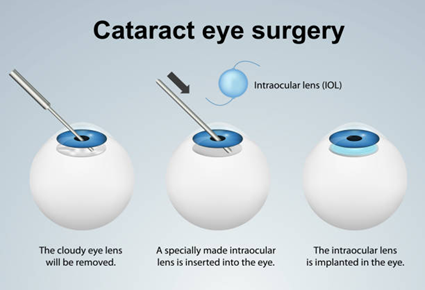
Cataract surgery is a highly effective procedure that helps restore vision by removing the cloudy lens and replacing it with a clear, artificial one. The surgery is typically quick and involves minimal discomfort, offering rapid recovery for most patients. However, post-surgery recovery can vary from person to person, leading many to wonder when they can resume normal activities, such as driving.
Dr. Mayank Bansal notes that while cataract surgery is generally safe, the ability to drive safely just two days after the procedure depends on individual healing, vision clarity, and other factors such as sensitivity to light or glare.
At Claritas Eye & Retina Institute, led by Dr. Mayank Bansal, an esteemed eye specialist in Delhi, prioritizes patient recovery and ensures that each individual receives personalized care throughout their healing process. Dr. Bansal is renowned for his extensive expertise in retina and cataract surgery in Delhi, utilizing the latest technology to deliver optimal results. With a patient-centered approach, he guides patients through their recovery, offering expert advice on when it’s safe to resume activities like driving after cataract surgery.

Is it safe to drive two days after cataract surgery? Let’s discuss when it’s appropriate to resume driving.
Is It Safe to Drive 2 Days After Cataract Surgery?
Generally, driving 2 days after cataract surgery may not be advisable for most patients. While the surgery itself is relatively quick, your vision may still be blurry or impaired during the early stages of recovery.
At Claritas Eye Hospital in Delhi, Dr. Mayank Bansal advises patients to wait at least 1-2 weeks before driving, as this allows their eyes to fully adjust to the new lens and reduces the risk of accidents caused by impaired vision. Even if some patients feel ready to drive, it’s important to ensure their vision is sharp and clear before getting behind the wheel.
Wondering if it’s safe for you to drive? Let’s take a closer look at the factors affecting your ability to drive.
What Factors Determine Whether You Can Drive After 2 Days?
The duration of wearing dark glasses after cataract surgery typically ranges from 1 to 2 weeks, depending on the patient’s healing. However, it’s essential to follow your surgeon’s specific advice. Some patients may feel comfortable removing their dark glasses sooner, but it’s best to wear them consistently for the first few days to protect the eyes.
Dr. Mayank Bansal recommends wearing dark glasses whenever you are outside or exposed to bright light during the early stages of recovery. Once your vision stabilizes and light sensitivity decreases, you may gradually reduce the use of dark glasses.
Several factors determine whether you can drive safely 2 days after cataract surgery. These include:
1. Vision Clarity:
After cataract surgery, some patients experience blurry vision due to the healing process. This is temporary, though it may take several days or weeks for your vision to clear.
2. Eye Sensitivity:
During the early stages of recovery, your eyes might still be light and glare sensitive. This might also affect your driving capabilities, particularly at night or on a bright day.

3. Post-Operative Instructions:
It is important to follow instructions of your ophthalmologist. In case you have been instructed not to do certain things like driving during the first few days, then it is worthwhile to follow the guidelines for your own safety.
4. General Health:
Any pre-existing conditions or complications from the surgery can delay your recovery and affect your ability to drive.
Concerned about vision changes after surgery? Let’s explore how these changes affect driving safety.
What Vision Changes Can Affect Driving After Cataract Surgery?
After cataract surgery, your vision may undergo several changes that could impact your ability to drive:
1. Temporary Blurry Vision:
It is common to experience some blurred vision in the days post-surgery as your eyes adjust to the new lens.
2. Sensitivity to Light:
Many patients experience heightened sensitivity to light, also known as photophobia, which can make driving in bright or direct sunlight uncomfortable and unsafe.

3. Glare:
Nighttime headlights or streetlights glare may also be an issue during the recovery period and it becomes difficult to see clearly when driving.
4. Double Vision:
The temporary doubling of vision can also be experienced by some patients, particularly those with astigmatism, making driving hard and unsafe.
Now, let’s explore the necessary precautions to take for safety before driving post-cataract surgery.
What Precautions Should You Take Before Driving After Cataract Surgery?
Before driving post-cataract surgery, it is essential to take the following precautions:
1. Ensure Clear Vision
Wait until your vision is fully restored and sharp. If you notice blurriness, glare, or discomfort, avoid driving until these symptoms subside.
2. Test Your Vision
Make sure you can interpret traffic signs and distinguish objects that are far away. When you are not sure, it’s best to avoid driving.
3. Avoid Driving at Night
If you experience glare or halos around lights, avoid driving at night or in low-light conditions.
4. Follow Medical Advice
Always follow your ophthalmologist’s recommendations about when it’s safe to drive. Do not drive until they confirm that it’s safe for you.
Not sure when to seek expert advice? Let’s discuss when it’s necessary to contact your surgeon.
When to Consult a Surgeon
Post-surgery, it is necessary to seek the advice of your surgeon in case of any of the following symptoms:
1. Severe Blurry Vision
If your vision does not improve after a few days or worsens, see your surgeon to have your eyes tested.
2. Light Hypersensitivity
In case the light sensitivity is intolerable or doesn't subside, one should consult a doctor.

3. Persistent Eye Pain
If you experience significant pain or discomfort, it may indicate complications and should be addressed immediately.
4. Vision Disturbances
If you experience persistent double vision or new visual disturbances, consult your ophthalmologist.
Conclusion
While cataract surgery offers a quick recovery for most patients, driving right after the procedure may not be safe. Dr. Mayank Bansal emphasizes the importance of waiting until your vision has stabilized and you feel comfortable before driving. It’s essential to follow your ophthalmologist’s recommendations and ensure your vision is clear before resuming activities like driving.
FAQs
1. Can I drive immediately after cataract surgery?
It’s not recommended to drive immediately after cataract surgery. Most patients need to wait until their vision has fully stabilized, which can take a few days to a week.
2. How long after cataract surgery can I drive at night?
Night driving may require a longer recovery period. If you experience glare or halos around lights, it’s best to avoid night driving until these symptoms subside.
3. What should I do if my vision is blurry after cataract surgery?
Temporary blurry vision is common, but if it persists beyond a few days, consult your surgeon for an evaluation.
4. Can I resume driving if I feel fine after 2 days?
Even if you feel fine, make sure your vision is clear and stable. Test your vision before deciding to drive.
5. Is it normal to have glare after cataract surgery?
Mild glare can be common after cataract surgery, but it should decrease over time. If it doesn’t improve, contact your ophthalmologist.
Reference links:
https://www.aao.org/eye-health/tips-prevention/safe-exercise-driving-cataract-surgery-recovery
https://www.centreforsight.net/blog/driving-after-cataract-surgery
Disclaimer: The information shared in this content is for educational purposes and not for promotional use.