 English
 العربية
 Русский
 Français
 Español
 বাংলা
বাংলা
 Kiswahili
 Deutsch
 中文
中文
 日本語
日本語
 हिंदी
हिंदी

CATARACT SURGERY
Home > Service Detail
Cataract Surgery in Delhi
Cataract is a common age-related condition where the eye’s natural lens becomes cloudy.
Can also develop due to eye trauma, certain medications, or medical conditions.
Dr. Mayank Bansal, an acclaimed cataract surgeon in Delhi, states, “With the latest advancements in surgical techniques, cataract surgery is safer and more efficient than ever. Patients can expect faster recovery, clearer vision, and improved quality of life.”
Early diagnosis and timely treatment are essential to prevent vision deterioration,
According to Dr. Mayank Bansal, cataract surgery today is:
- Safer and more precise
- Associated with faster recovery
- Capable of delivering clearer vision and better quality of life
Leads to blurred vision and difficulty in daily activities such as:
- Reading
- Driving
- Recognizing faces
Cataract surgery is the most effective and permanent treatment option.
Equipped with state-of-the-art surgical and diagnostic technology.
Led by Dr. Mayank Bansal, making Claritas a trusted center for cataract surgery in Delhi.
Claritas Eye & Retina Institute in Delhi, specializes in:
- Advanced cataract surgery
- Complex retina surgery
Cataract Surgery Cost In Delhi
The cost of cataract surgery in Delhi generally ranges between ₹25,000 to ₹66,000 for monofocal and enhanced monofocal IOLs.
Multifocal IOLs are typically priced higher than this range.
The final cost depends primarily on the type of intraocular lens (IOL) selected by the patient.
Different lens options are available, and the choice significantly impacts the overall expense of the procedure.
A detailed consultation and discussion about your vision requirements and lifestyle needs help determine the most suitable lens option.
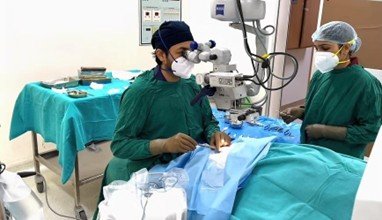
Not sure which cataract surgery is best for you? Let’s discuss the options and find the right one for your eyes.
Type of Cataract Surgery we offer at Claritas Eye & Retina Institute
At Claritas Eye & Retina Institue, we offer the latest surgical techniques for cataract treatment in Delhi, including:
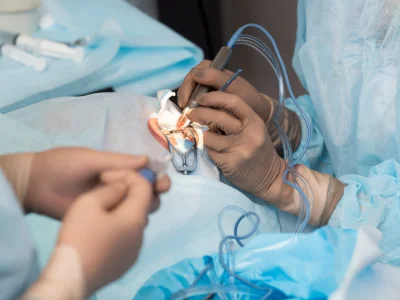
Phacoemulsification Surgery
- Phacoemulsification cataract surgery is a modern, minimally invasive procedure designed to remove a cloudy natural lens and restore clear vision.
Read More
- Gold-standard cataract treatment with minimal downtime and faster visual recovery.
- Micro-incision technique (2–3 mm) using ultrasound technology.
- Replacement of cloudy lens with a high-quality intraocular lens (IOL).
- Performed under local/topical anesthesia for a painless experience.
- Same-day discharge with vision improvement in 24–48 hours.
- Suitable for most age-related and early-stage cataracts.
- Option to choose premium IOLs for enhanced visual quality.
- Low risk of complications and excellent long-term outcomes.
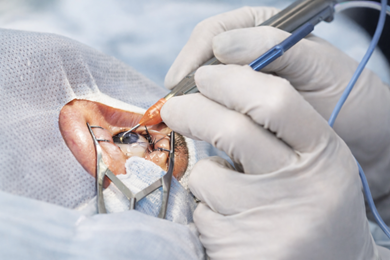
Micro-Incision Cataract Surgery (MICS)
- Micro-Incision Cataract Surgery (MICS) is an advanced, minimally invasive procedure that removes a cloudy lens through a tiny incision (less than 2 mm) and replaces it with a foldable intraocular lens (IOL).
Read More
- A refined form of phacoemulsification designed for minimally invasive cataract treatment
- Helps reduce surgically induced astigmatism for sharper post-surgery vision
- Promotes faster healing and quicker visual recovery
- Typically a stitchless cataract surgery with minimal discomfort
- Lower risk of inflammation due to smaller wound size
- Suitable for selected patients seeking advanced cataract surgery in Delhi
- Performed with high-precision equipment and experienced cataract surgeons
- Offers improved eye stability and excellent long-term visual outcomes
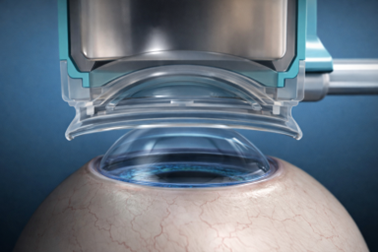
Femtosecond Laser-Assisted Cataract Surgery (FLACS)
- Femto second Laser-Assisted Cataract Surgery (FLACS) is an advanced, bladeless procedure that uses computer-guided lasers to enhance precision, safety, and visual outcomes in cataract removal.
Read More
- Laser-assisted corneal incisions for improved surgical accuracy.
- Precise laser capsulotomy for better intraocular lens (IOL) positioning.
- Pre-softening and fragmentation of the cataract to reduce ultrasound energy.
- Helps minimize surgically induced astigmatism.
- Suitable for patients opting for premium cataract surgery in Delhi.
- Enhances consistency and predictability of surgical outcomes.
- Can be combined with advanced IOLs for superior visual clarity.
- Performed by experienced cataract surgeons at a trusted eye care center in Delhi.
Phacoemulsification Surgery vs Micro-Incision Cataract Surgery
Phacoemulsification Surgery
- Uses ultrasound energy to break the cloudy lens into tiny fragments
- Requires a small incision (about 2–3 mm)
- Allows implantation of a wide range of intraocular lenses (monofocal, multifocal, toric, etc.)
- Minimal discomfort with fast visual recovery
- Most commonly performed cataract surgery worldwide
- Suitable for the majority of cataract patients
Micro-Incision Cataract Surgery (MICS)
- A refined form of phacoemulsification performed through an even smaller incision (around 1.8–2 mm)
- Reduces surgically induced astigmatism
- Leads to faster wound healing and enhanced stability of the eye
- Requires advanced equipment and high surgical expertise
- Ideal for selected patients where ultra-small incisions offer additional benefits
Want to know which surgery suits you best?
Confused about which IOL to choose? Let’s review the options and determine the best fit for your needs.
Types of Intraocular Lenses (IOLs) We Offer at Claritas Eye & Retina Institute
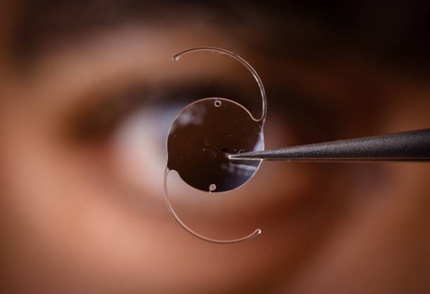
Monofocal IOLs
They provide clear vision at a single distance; they are usually set for distance vision. Patients who wear them would need reading glasses for near work.
Multifocal IOLs
These IOLs have been designed to give sharp images at multiple distances, reducing or eliminating reliance on both distance and reading glasses. However, some people may experience colored halos, or glare due to concentric rings in the design of these lenses.
Toric IOL
These lenses, especially for patients who have astigmatism, correct the irregular shape of the cornea and offer excellent vision without relying on additional corrective glasses.
EDOF IOL
Or Extended Depth of Focus IOL. The design of EDOF Lenses allows for both excellent distance and intermediate vision without glasses. The design does not have any concentric rings in the IOL, therefore, there are no bothersome halos seen with EDOF IOLs.
Trusted Intraocular Lens (IOL) Brands
Alcon
- Globally trusted brand in eye care
- Known for high-quality monofocal, multifocal, and toric IOLs
- Delivers excellent visual clarity and long-term stability
Zeiss
- Renowned for German precision and optical excellence
- Advanced lens designs for sharp, high-contrast vision
- Popular choice for premium cataract and refractive outcomes
Johnson & Johnson
- Leader in medical innovation and eye health
- Offers advanced IOL technology for natural and comfortable vision
- Trusted worldwide for safety, performance, and reliability
These premium lens brands are commonly used in advanced cataract surgeries to ensure clear vision, durability, and patient satisfaction.
Wondering why Claritas is the best choice for cataract surgery in Delhi? Let’s dive into the advantages that set us apart from other hospitals.
Why Choose Claritas Eye & Retina Institute for Cataract Surgery in Delhi?
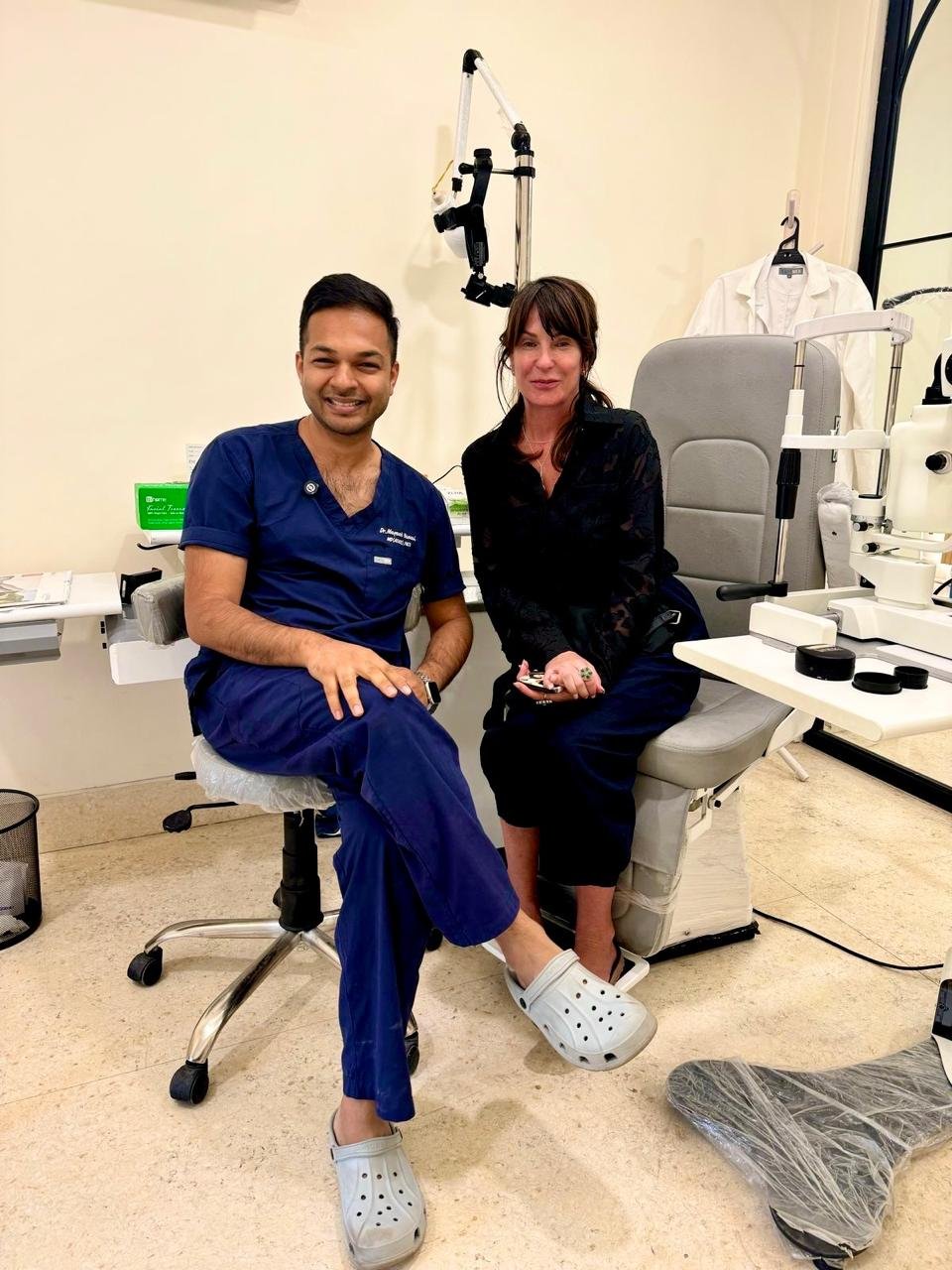
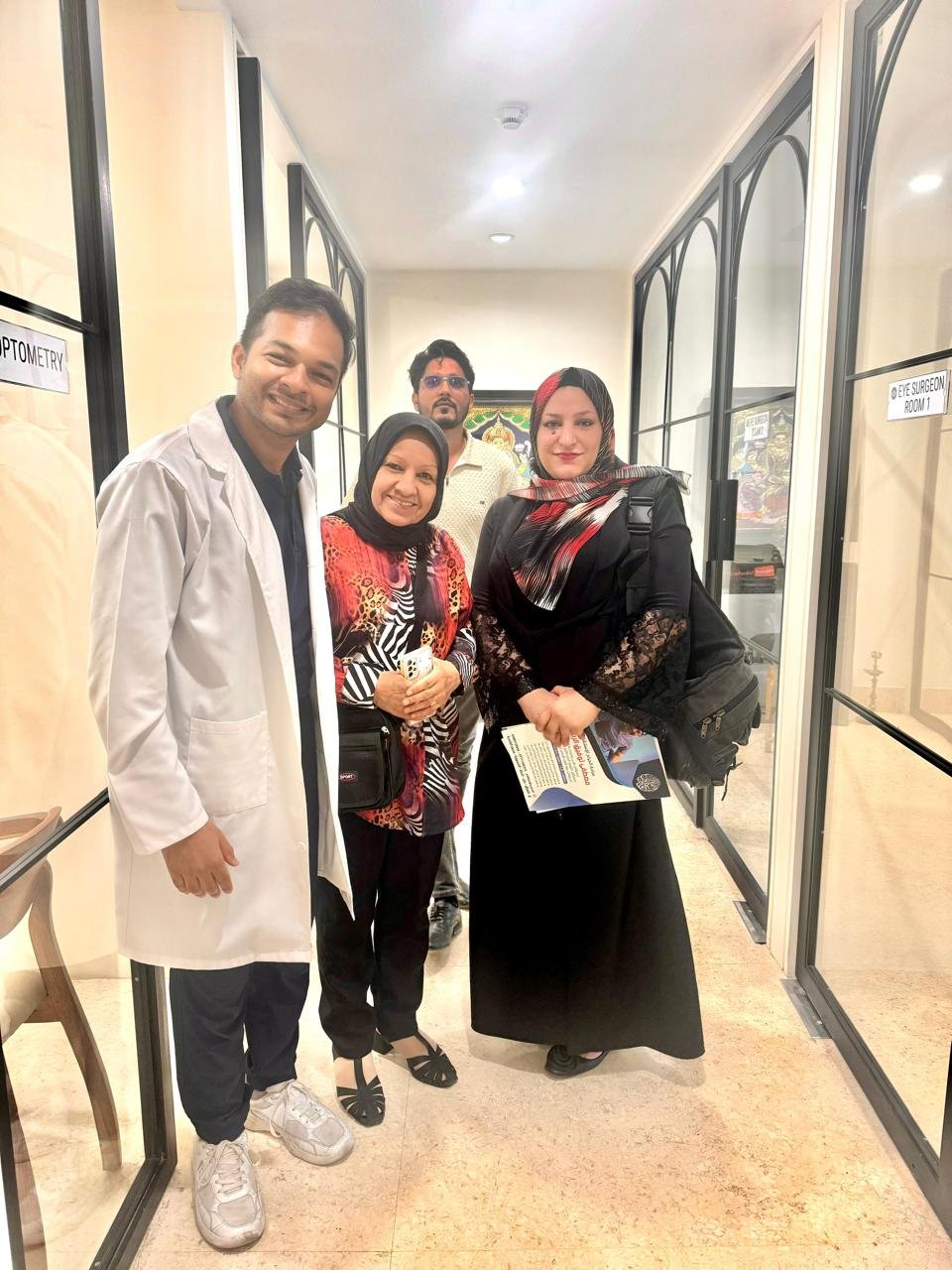
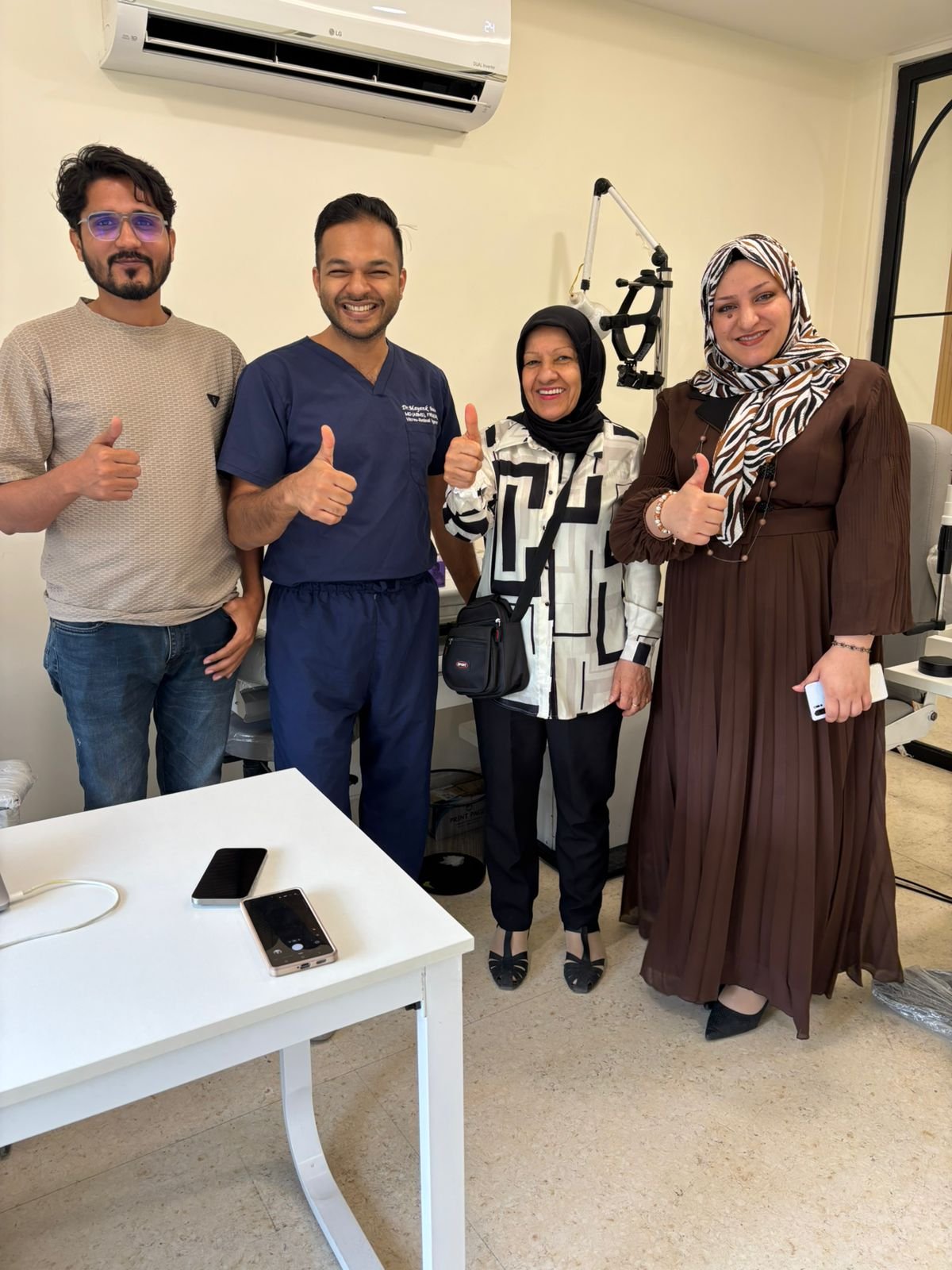
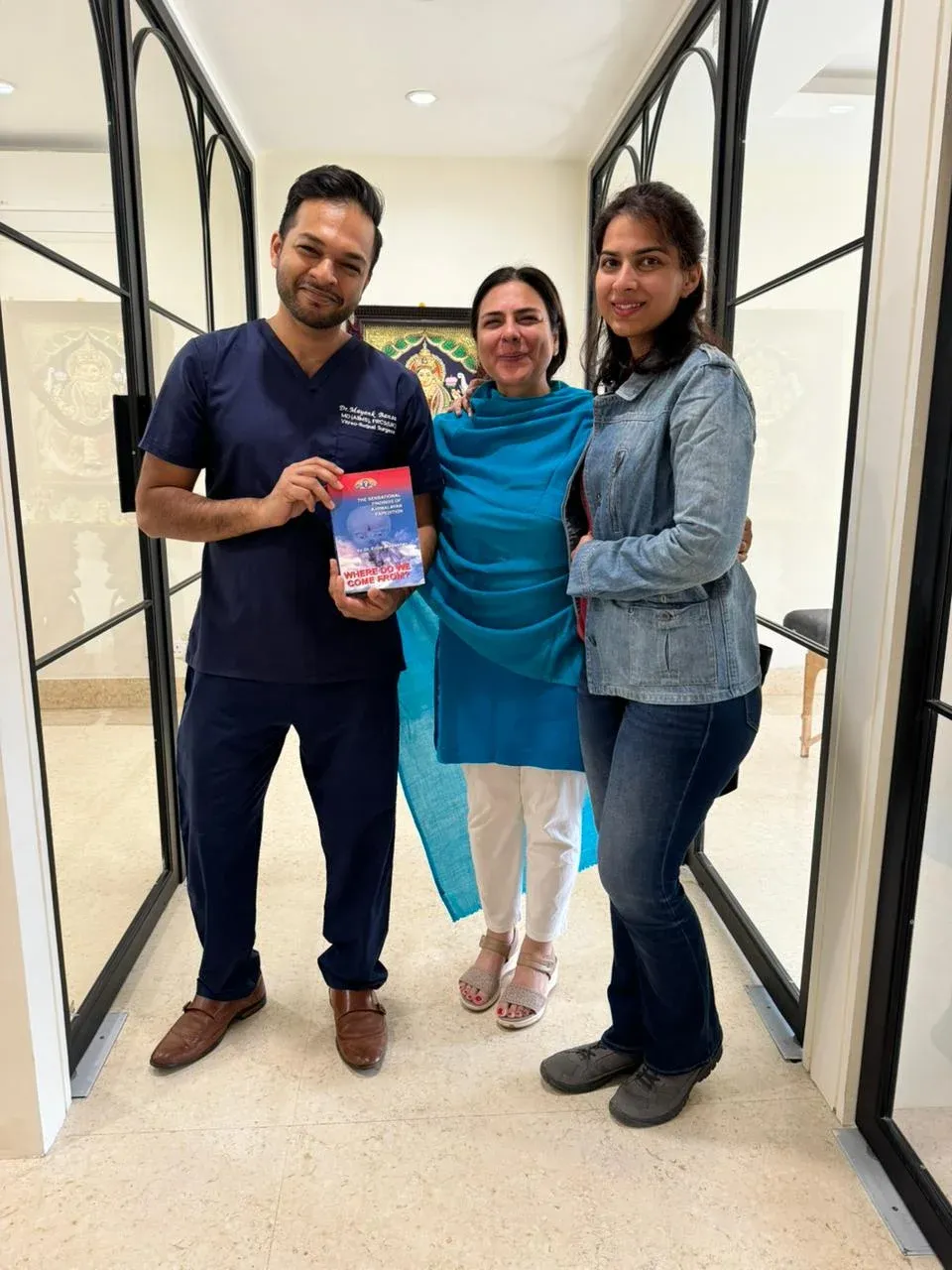
Choosing the right eye hospital for cataract surgery is critical to achieving the best outcomes. Here’s why Claritas Eye & Retina Institute in Delhi is the ideal choice for you:
Expert Surgeon
Led by one of the best cataract surgeons in Delhi, Dr. Mayank Bansal has years of experience and expertise in cataract treatment.
State-of-the-Art Technology
We use the latest in laser technology for precise and minimally invasive cataract surgeries, ensuring faster recovery and better results.
Comprehensive Care
From pre-surgery consultations to post-surgery follow-ups, we provide end-to-end care, ensuring a smooth and effective treatment journey.
Patient-centered approach
We focus on personalized care, tailoring each treatment to the individual needs of our patients to achieve optimal vision outcomes.
Ready for exceptional eye care?
Curious about what to expect after cataract surgery? Let’s talk about the recovery process and aftercare steps.
Cataract Surgery Recovery and Aftercare
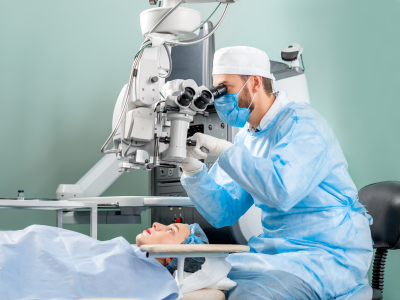
Rest and Follow-Up
These first few days will be very important in resting after the surgery and following up with our team on your progress.
Eye Protection
You’ll be given eye drops and instructions to prevent infection and reduce inflammation. It’s important to avoid rubbing your eyes and protect them from bright light.
Gradual Improvement of Vision
While you may notice that your vision is clearer immediately, complete healing of the eye may take as long as 4-6 weeks.
Regular Check-Ups
We’ll schedule follow-up appointments to ensure that your vision is improving and that there are no complications.
Patient Testimonials Videos
Happy Patients