Claritas

English English
USA English
Arabic العربية
Russian Русский
French Français
Spanish Español
Bangla বাংলা
Swahili Kiswahili
German Deutsch
China 中文
Japan 日本語
India हिंदी
English English
USA English
Arabic العربية
Russian Русский
French Français
Spanish Español
Bangla বাংলা
Swahili Kiswahili
German Deutsch
China 中文
Japan 日本語
India हिंदी

RETINAL SURGERY

Home > Service Detail

Retina Surgery in Delhi

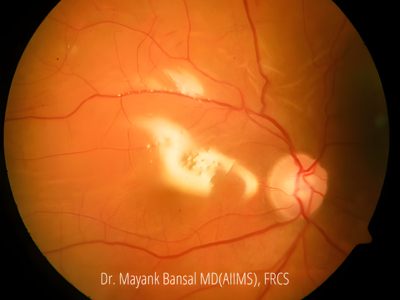
Retinal conditions such as diabetic retinopathy, macular degeneration, retinal detachment, and retinal vein occlusion are serious eye diseases that can lead to vision loss if left untreated. These conditions often develop without noticeable symptoms, making regular eye exams essential. Retina surgery is crucial to treat these conditions effectively and prevent irreversible damage to vision.

Dr. Mayank Bansal, a renowned retina surgeon in Delhi, emphasizes that early diagnosis and timely surgery are key to preserving vision, especially when dealing with retinal detachment or diabetic retinopathy.

Claritas Eye Hospital  is a leading center for retina surgery in Delhi, offering specialized care for a wide range of retinal conditions. Dr. Mayank Bansal, the founder of the institute, has extensive experience in treating complex retinal diseases. His expertise in retina surgery, combined with state-of-the-art technology, ensures that every patient receives the best possible care.

Retinal Conditions We Treat at Claritas Hospital in Delhi

At Claritas Eye Hospital, we are equipped to manage a range of retinal issues. These are some of the most prevalent conditions of the retina that we treat on a daily basis:

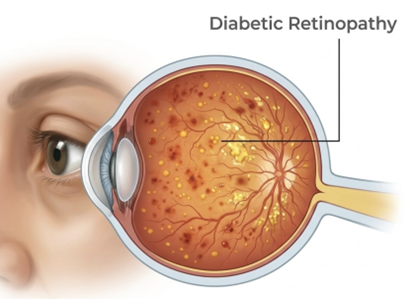
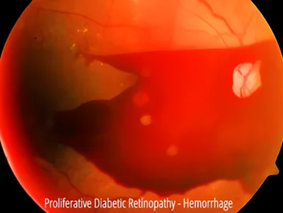
Diabetic Retinopathy

A complication that commonly occurs in diabetes. This condition impacts the blood vessels in your retina and may cause permanent vision loss. We offer comprehensive treatments to manage and prevent further damage.

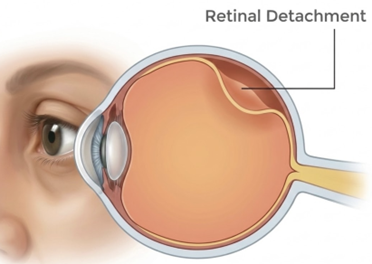
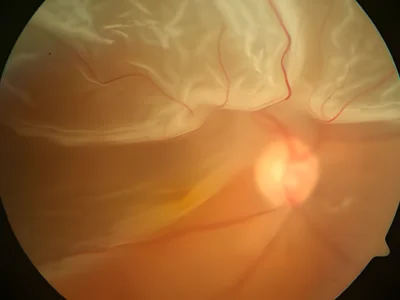
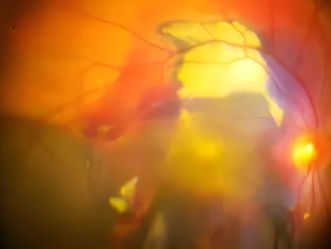
Retinal Detachment

It has serious implications because it occurs when the retina separates from the back of the eye. Surgery should be performed as soon as possible to reattach the retina and preserve vision.

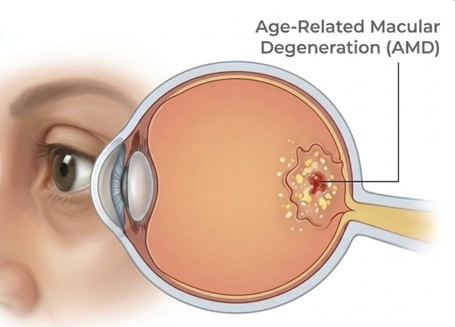
Macular Degeneration

Age-related macular degeneration impacts people’s central vision, and it’s quite difficult to spot details in such conditions. We have AMD treatment options, like VEGF injections and laser treatment, to control its progression.

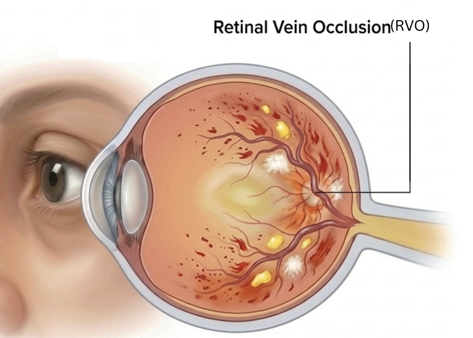
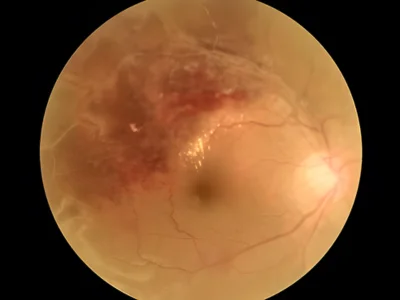
Retinal Vein Occlusion

Blockage of the retinal veins may lead to loss of vision as a result of fluid buildup. We manage the condition through laser treatment and injections.

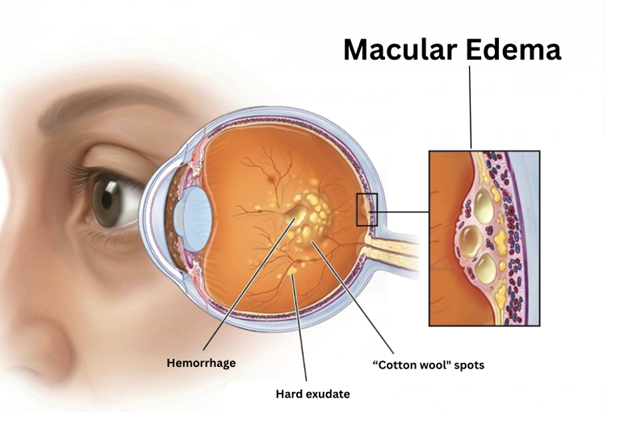
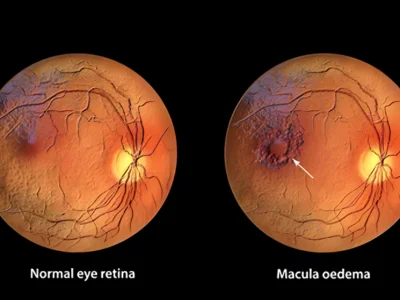
Macular Edema

Swelling of the macula, often due to retinal diseases such as diabetic retinopathy, can impair central vision. We offer treatments like injections and laser therapy to reduce swelling and restore vision.

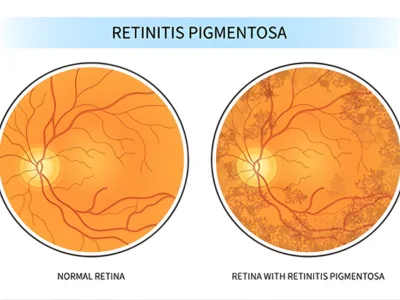
Inherited Retinal Diseases

Retinitis pigmentosa and Stargardt disease are genetically caused, degenerative disorders that destroy vision over time. We offer advanced genetic treatments and therapies for the management of these diseases.

Types of Retina Surgery We Offer at Claritas Hospital

Retina surgery is a specialized procedure that requires precision and expertise. At Claritas Eye Hospital, Dr. Mayank Bansal, ranked as one of the best retina surgeons in Delhi, performs the following types of retinal surgeries:

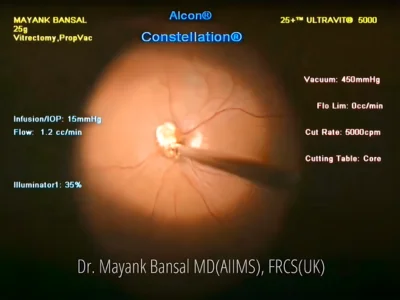
Vitrectomy

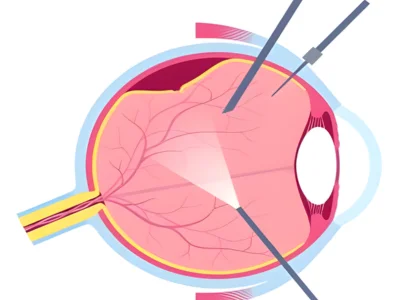
This procedure involves removing the vitreous gel from the eye to treat retinal detachment, macular holes, or diabetic retinopathy. It helps restore retinal function and prevent further vision loss.

Retinal Reattachment Surgery

Essential for treating retinal detachment, this surgery reattaches the retina to the back of the eye, preventing permanent vision loss. The procedure is performed with precision to ensure the best outcomes.

Laser Photocoagulation

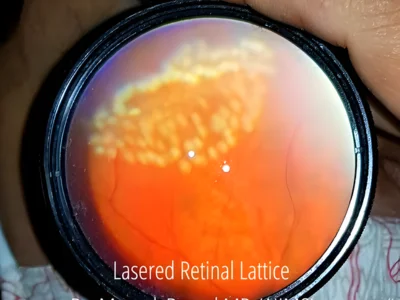
Laser therapy is used to treat retinal conditions such as diabetic retinopathy and retinal vein occlusion by sealing leaking blood vessels or preventing abnormal growths.

Dr. Mayank Bansal

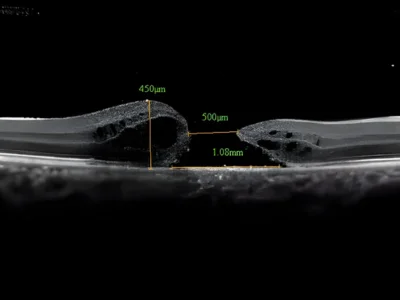
Macular Hole Surgery

This surgery repairs macular holes, which can lead to central vision loss. It involves careful repositioning of the retina to restore visual function.

Intraocular Injections

For conditions like macular degeneration and diabetic macular edema, medications are injected directly into the eye to reduce swelling and prevent vision loss.

Retinal Tear Repair

If a retinal tear is detected early, laser surgery or cryopexy (freezing therapy) may be used to seal the tear and prevent retinal detachment.

Seeking the right treatment for your retinal condition? Reach out to a retina specialist today for expert care.

Why Choose Claritas Hospital for Retina Surgery in Delhi

The Claritas Eye Hospital is among the top facilities for retina surgery in Delhi, offering world-class care backed by advanced technology and expert surgical techniques. Here’s why international and local patients choose Claritas for their retina treatment:

World-Class Expertise

Dr. Mayank Bansal, one of the best retina specialists in Delhi, brings years of experience and international training, ensuring top-notch care for every patient.

Advanced Technology

The hospital is equipped with the latest diagnostic tools and surgical equipment, ensuring accurate diagnosis and successful surgeries.

Comprehensive Care

From initial consultation and diagnosis to surgery and post-operative care, Claritas provides complete retina care under one roof, ensuring a seamless patient experience.

Personalized Treatment Plans

Each patient receives a customized treatment plan tailored to their specific retinal condition to ensure optimal outcomes.

Excellent Success Rate

With an emphasis on precision and patient care, the surgery success rates at Claritas are exceptional, offering patients hope for improved vision.

Patient-Centered Approach

We prioritize patient comfort, offering a compassionate and supportive environment throughout the treatment process.

What to Expect During Retina Surgery at Claritas Eye Hospital in Delhi

When you come to Claritas Eye Hospital for retina surgery in Delhi, you can expect the following:

Pre-surgery consultation

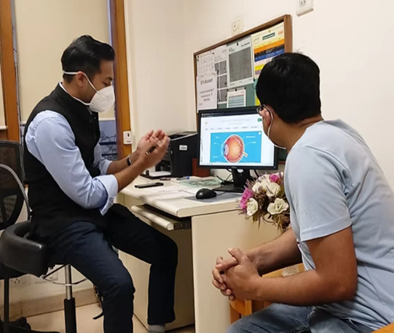
Prior to the surgery, you will meet Dr. Mayank Bansal, a distinguished retina specialist in Delhi, to discuss your condition, review your medical history and determine the best surgical approach.

Advanced Diagnostics Testing

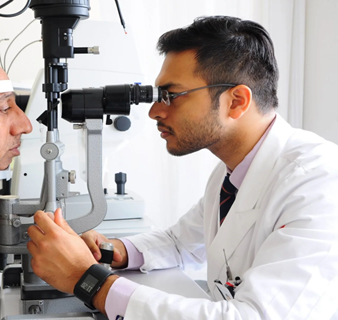
Using the latest diagnostic technology, including OCT (Optical Coherence Tomography) and retinal imaging, we can accurately assess your retinal health.

Surgical Intervention

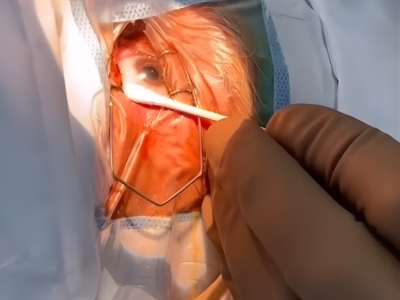
You will be made comfortable using local anesthesia or sedation during surgery. Then a vitrectomy surgery or other surgical procedures like re-attaching your retinal tissue or using a laser treatment will be carried out using state-of-the-art surgical tools.

Pain Management

Most retinal surgeries are less invasive and patients experience minimal pain. After surgery, pain is managed with medication.

Post-Surgery Care

After the procedure, you'll be monitored in a recovery room until you're stable. You’ll receive detailed instructions on eye care, medications, and activities to avoid during recovery.

Follow-Up Appts

Follow-up visits are scheduled to monitor recovery and retinal healing. Any questions or concerns you may have are also attended to.

Recovery Process

Most patients experience a quick recovery, but the recovery time may vary depending on the complexity of the surgery. Dr. Bansal and his team will guide you every step of the way to ensure optimal healing.

FAQs

1. What are the risks of retina surgery?

Like any surgery, retina surgery carries some risks, including infection, bleeding, and temporary vision disturbances. However, these risks are minimized with experienced specialists and advanced technology.

Recovery time varies depending on the type of surgery, but most patients take 1-2 weeks for initial recovery. Full recovery can take several months for certain procedures.

Driving is generally not recommended immediately after surgery. Patients should wait until their vision stabilizes and their surgeon clears them to drive.

The success rate for retinal surgery is high, especially when performed by experienced surgeons such as Dr. Mayank Bansal, with most patients experiencing improved vision post-surgery.

Symptoms such as blurred vision, flashes of light, sudden vision loss, and the appearance of floaters may indicate the need for retina surgery.

Disclaimer: The information shared in this content is for educational purposes and not for promotional use.