RETINAL SURGERY
Home > Service Detail
Retina Surgery in Delhi
Retinal conditions such as diabetic retinopathy, macular degeneration, retinal detachment, and retinal vein occlusion are serious eye diseases that can lead to vision loss if not treated on time.
These conditions often develop without noticeable symptoms in the early stages, making regular eye examinations essential for early detection.
Retina surgery plays a crucial role in treating these conditions and preventing permanent vision damage.
According to Dr. Mayank Bansal, a renowned retina surgeon in Delhi, early diagnosis and timely surgical intervention are key to preserving vision, particularly in cases like retinal detachment and diabetic retinopathy.
Claritas Eye & Retina Institute is a leading center for retina surgery in Delhi, offering advanced treatment for a wide range of retinal diseases.
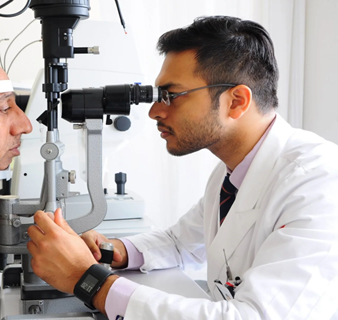
Dr. Mayank Bansal, the founder of the institute, has extensive experience in managing complex retinal disorders.
His expertise, combined with state-of-the-art technology and advanced surgical techniques, ensures that patients receive high-quality and effective retinal care.
Retina Surgery Cost In Delhi
Vitrectomy surgery generally costs around ₹50,000 – ₹1,50,000.
Retinal detachment surgery may cost approximately ₹60,000 – ₹2,50,000, depending on the severity of the condition.
Macular hole surgery typically ranges between ₹75,000 – ₹2,00,000.
Laser retina treatments such as photocoagulation may cost around ₹3,000 – ₹30,000 per session.
Intravitreal injections used for conditions like diabetic macular edema or retinal vein occlusion can range from ₹8,000 – ₹65,000 per injection, depending on the medication used.
The final cost may vary based on factors such as the type of retinal condition, surgical technique, technology used, surgeon’s expertise, hospital infrastructure, and post-operative care.
Many health insurance policies cover medically necessary retina surgeries, which may reduce the overall treatment cost for patients.
Retinal Conditions We Treat at Claritas Eye & Retina Institute in Delhi
At Claritas Eye & Retina Institute, we are equipped to manage a range of retinal issues. These are some of the most prevalent conditions of the retina that we treat on a daily basis:
Diabetic Retinopathy
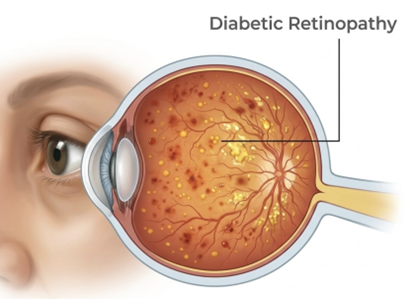
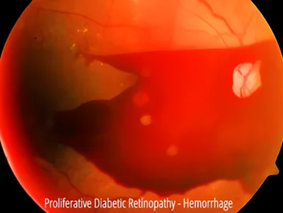
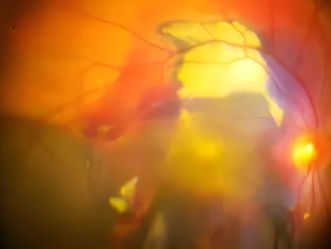
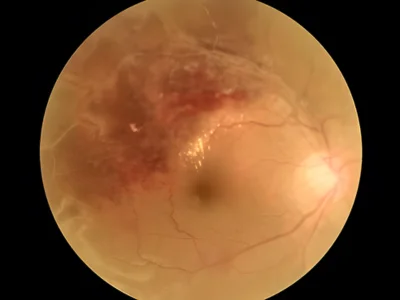
Diabetic retinopathy is an eye condition caused by damage to the blood vessels in the retina due to high blood sugar levels. Over time, excess glucose can block these small vessels, reducing the retina’s blood supply. In response, the eye may form new blood vessels, but these are usually fragile and abnormal, often leading to leakage and vision problems.
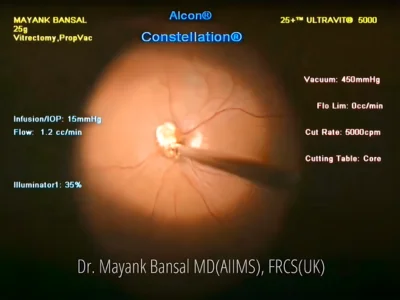
In advanced cases, surgery may be required. During the procedure, the surgeon removes the vitreous gel to access the retina, repair any damage, and seal leaking vessels. The gel is then replaced with a saline solution or gas bubble to support healing.
Symptoms of Diabetic Retinopathy
Blurred or fluctuating vision
Dark spots or floaters
Impaired color vision
Empty or dark areas in the vision
Difficulty seeing
Retinal Detachment
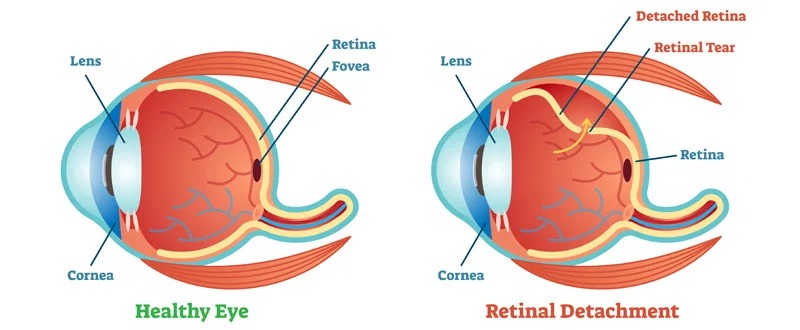
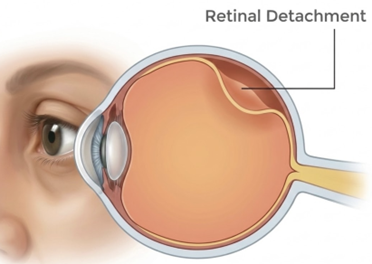
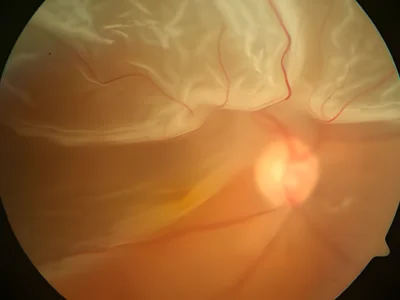
Retinal detachment occurs when the retina, the thin layer of light-sensitive tissue at the back of the eye, separates from the underlying blood vessels that supply it with oxygen and nutrients. When this separation happens, the retina cannot function properly, which may lead to vision loss if not treated promptly.
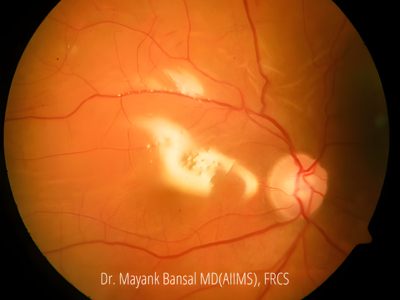
To repair the detachment, the eye surgeon removes the vitreous gel to gain access to the retina and repair any tears or holes. Laser treatment or cryotherapy is then used to seal the damaged areas and reattach the retina. The vitreous is replaced with a gas bubble or silicone oil to help keep the retina in place while it heals.
Common causes of retinal detachment include high myopia (extreme near-sightedness), ageing, and eye injuries. Early diagnosis and treatment are important to protect vision.
Symptoms of Diabetic Retinopathy
Flashes of light in one or both eyes
Gradual reduction in peripheral (side) vision
The sudden appearance of floaters
A shadow or "curtain" over part of the vision field
Age-Related Macular Degeneration (AMD)
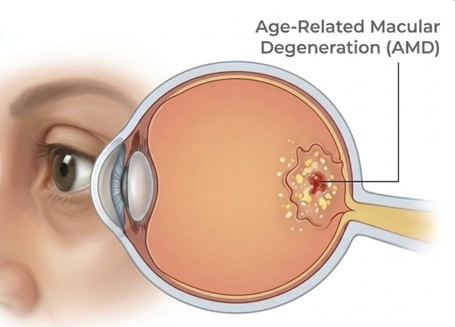
Age-related macular degeneration (AMD) is a common eye condition that affects the central part of vision, making it difficult to see fine details clearly. It most commonly occurs in people over the age of 50.
Key risk factors include increasing age, family history, smoking, and high blood pressure, all of which can increase the likelihood of developing the condition.
Treatment Options for AMD
Anti-VEGF injections
Photodynamic therapy
Lifestyle changes and dietary supplements
Low vision aids to support vision quality
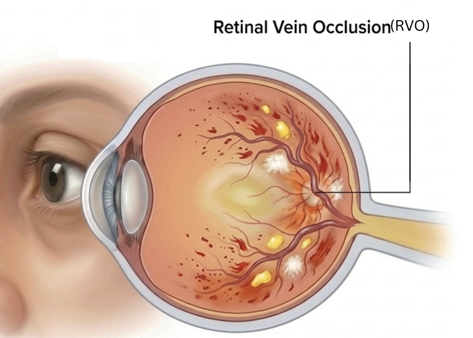
Retinal Vein Occlusion
Treatment Options for Retinal Vein Occlusion
Anti-VEGF injections to reduce swelling
Corticosteroid injections
Laser treatment to improve blood flow
Managing underlying health conditions
Macular Edema
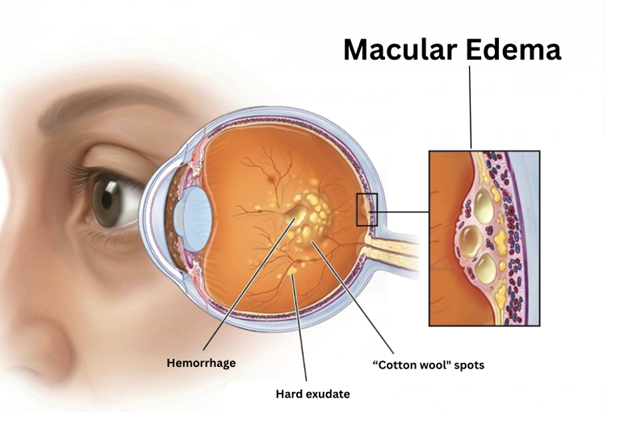
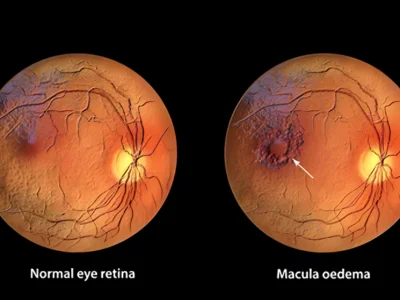
Macular edema is a condition where the macula (the central part of the retina) becomes swollen due to fluid buildup, often caused by retinal diseases such as diabetic retinopathy.
This swelling can affect central vision and make tasks like reading or recognizing faces difficult. Treatment options may include intravitreal injections and laser therapy to reduce swelling and help improve vision.
Symptoms of Macular Edema
Blurred or distorted central vision
Difficulty reading or seeing fine details
Colors appearing faded or washed out
A dark or blurry spot in the center of vision
Inherited Retinal Diseases
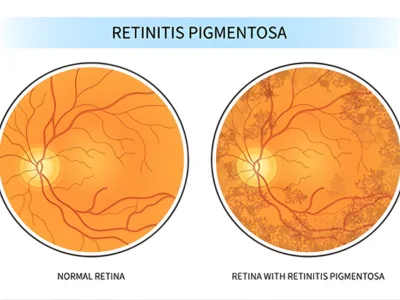
Inherited retinal diseases, such as retinitis pigmentosa and Stargardt disease, are genetic conditions that gradually damage the retina and lead to progressive vision loss over time.
Management may include advanced diagnostic testing, genetic counseling, and specialized therapies aimed at slowing disease progression and preserving vision.
Symptoms of Inherited Retinal Diseases
Gradual loss of vision over time
Difficulty seeing in low light or at night (night blindness)
Loss of peripheral (side) vision
Blurred or reduced central vision
Types of Retina Surgery We Offer at Claritas Eye & Retina Hospital
Retina surgery is a highly specialized procedure that requires exceptional precision and expertise. At Claritas Eye & Retina Institute, Dr. Mayank Bansal, regarded as one of the leading retina surgeons in Delhi, performs a range of advanced retinal surgeries to treat various complex retinal conditions.
Vitrectomy
Know More >
Vitrectomy
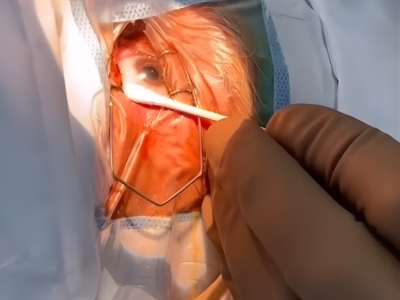
Vitrectomy is a surgical procedure in which the vitreous gel inside the eye is removed to allow the surgeon to access and treat retinal conditions such as retinal detachment, macular holes, and diabetic retinopathy. This procedure helps repair retinal damage, improve retinal function, and prevent further vision loss.
Know More >
Retinal Reattachment Surgery
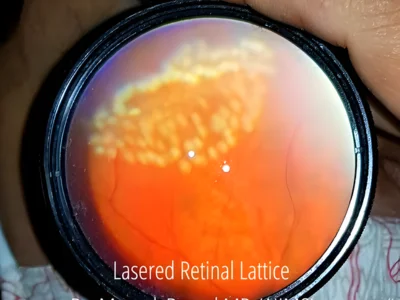
Laser Photocoagulation
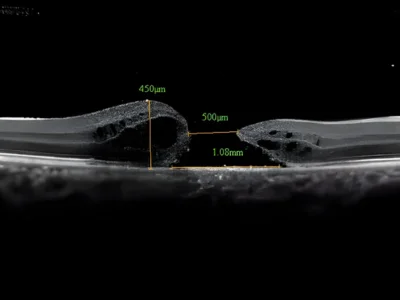
Intraocular Injections
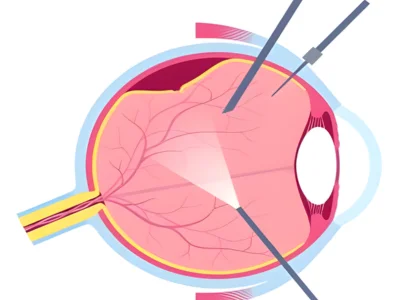
Retinal Tear Repair

Seeking the right treatment for your retinal condition?
Advanced Diagnostic and Treatment Tools
OCT (Optical Coherence Tomography)
OCT is an advanced imaging test that provides high-resolution images of the retinal layers, helping eye specialists detect and diagnose retinal conditions with greater accuracy.
Vitrectomy
A specialized surgical procedure to remove vitreous gel, treat retinal detachment, and address other complex retinal issues.
Fluorescein Angiography
A detailed imaging technique to assess blood flow and detect retinal blood vessel abnormalities.
Intravitreal Injections
Intravitreal injections involve administering medication directly into the eye to treat retinal conditions such as age-related macular degeneration (AMD), diabetic retinopathy, and retinal vein occlusion, helping to control disease progression and protect vision.
Why Choose Claritas Eye & Retina Institute for Retina Surgery in Delhi
The Claritas Eye & Retina Institute is among the top facilities for retina surgery in Delhi, offering world-class care backed by advanced technology and expert surgical techniques. Here’s why international and local patients choose Claritas for their retina treatment:

Advanced Technology
The hospital is equipped with the latest diagnostic tools and surgical equipment, ensuring accurate diagnosis and successful surgeries.

Comprehensive Care
From initial consultation and diagnosis to surgery and post-operative care, Claritas provides complete retina care under one roof, ensuring a seamless patient experience.

Personalized Treatment Plans
Each patient receives a customized treatment plan tailored to their specific retinal condition to ensure optimal outcomes.

Excellent Success Rate
With an emphasis on precision and patient care, the surgery success rates at Claritas are exceptional, offering patients hope for improved vision.

Patient-Centered Approach
We prioritize patient comfort, offering a compassionate and supportive environment throughtout the treatment process.
Retina Surgery Recovery & Aftercare
Recovery time varies depending on the type of retina surgery and the severity of the condition. Most patients recover within 4–8 weeks, although vision may continue to improve gradually.
It is common to experience mild redness, irritation, swelling, or blurred vision for a few days after surgery. These symptoms usually improve as the eye heals.
Use prescribed eye drops and medications regularly to reduce inflammation and prevent infection.
Avoid heavy lifting, bending, and strenuous activities for a few weeks to prevent pressure on the healing retina.
Protect your eyes by wearing sunglasses or an eye shield and avoid rubbing the operated eye.


If a gas bubble is placed in the eye, you may need to maintain a specific head position to support proper retinal healing.
Attend all follow-up appointments so your retina specialist can monitor recovery and ensure the retina is healing correctly.
Contact your eye doctor immediately if you experience severe pain, sudden vision loss, flashes of light, or increased redness, as these may indicate a complication.
FAQs
1. When is retina surgery required?
2. How long does retina surgery take?
3. Is retina surgery painful?
4. What is the recovery time after retina surgery?
5. Can vision improve after retina surgery?
6. What are the symptoms of retinal problems?
7. Can diabetes affect the retina?
Disclaimer: The information shared in this content is for educational purposes and not for promotional use.
English
العربية
Русский
Français
Español
বাংলা
Kiswahili
Deutsch
中文
日本語
हिंदी