
 English
 العربية
 Русский
 Français
 Español
 বাংলা
বাংলা Kiswahili
 Deutsch
 中文
中文 日本語
日本語 हिंदी
हिंदी

Eye Injections in Delhi - Intravitreal Injection Treatment at Claritas
Eye conditions such as age-related macular degeneration (AMD), diabetic retinopathy, and diabetic macular edema (DME) can significantly affect vision and quality of life. These retinal diseases can cause vision loss if not treated promptly. One of the most effective treatments for these conditions is eye injections. Intravitreal injections deliver medication directly into the eye, allowing targeted treatment for retinal diseases and helping preserve vision.
According to Dr. Mayank Bansal, an acclaimed ophthalmologist in Delhi, “Eye injections are an essential part of managing retinal conditions and have shown excellent results in slowing disease progression and improving vision in many patients.”
At Claritas Eye & Retina Institute, Dr. Mayank Bansal provides advanced eye injections in Delhi to treat a wide range of retinal conditions. With years of experience in treating complex eye diseases, Dr. Bansal utilizes cutting-edge technology and the latest research to provide personalized, safe, and effective treatment options. His commitment to patient care ensures that each individual receives the best possible outcome for preserving and enhancing their vision.
Not sure what intravitreal injections are? Let’s explore how they help treat various eye conditions.
What Are Intravitreal Eye Injections?
Intravitreal injections are a form of treatment where medications are injected directly into the vitreous humor of the eye. These injections allow drugs to reach the retina quickly and effectively, providing targeted therapy for conditions like macular degeneration, diabetic retinopathy, and macular edema. The procedure is minimally invasive and is performed under local anesthesia for patient comfort.
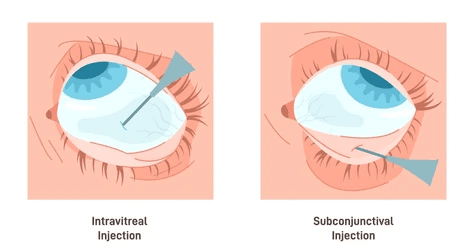
Curious about how this works for your condition? Connect with an expert to understand how it can help your vision.
Wondering which conditions can be treated with eye injections? Let’s take a look.
Conditions Treated with Eye Injections
At Claritas Eye Hospital in Delhi, we perform advanced refractive procedures tailored to various eye conditions and lifestyle needs. Each option is selected after a detailed evaluation to ensure safe and effective vision correction.
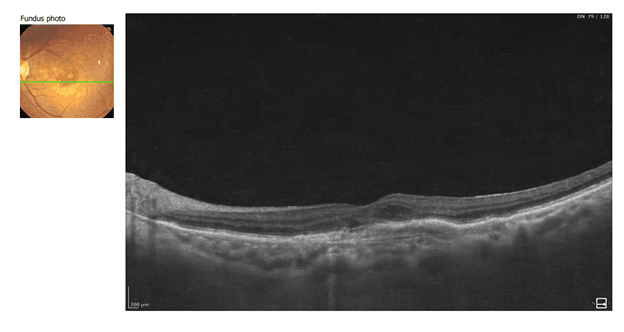
Age-Related Macular Degeneration (ARMD)
AMD is a leading cause of vision loss in older adults. Intravitreal injections help manage wet AMD by inhibiting the growth of abnormal blood vessels in the retina.
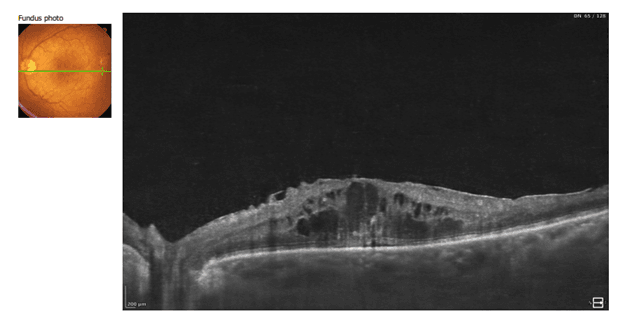
Diabetic Retinopathy
A common complication of diabetes, diabetic retinopathy causes damage to the blood vessels of the retina. Injections can reduce swelling and prevent further damage.
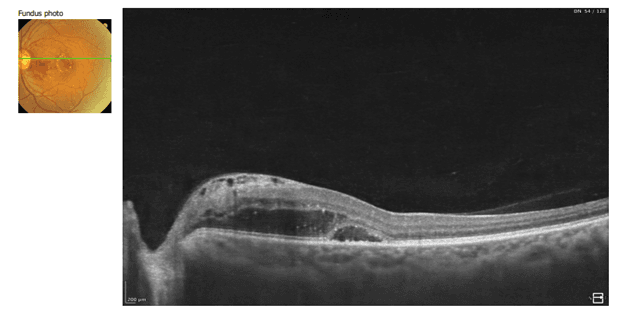
Retinal Vein Occlusion (RVO)
The blockage of veins within the retina causes RVO. The eye injections are used to reduce the fluid accumulation and improve vision.
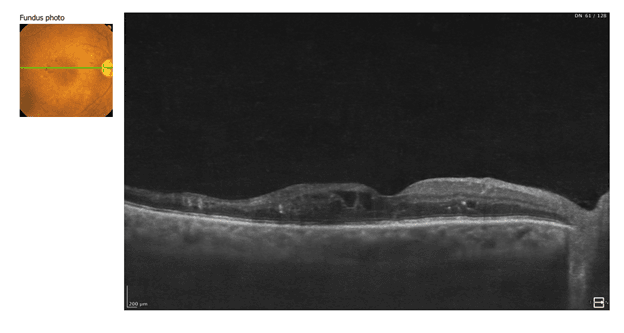
Diabetic Macular Edema (DME)
DME is caused by diabetes and leads to fluid leakage in macula. The intravitreal injections are effective in managing DME by reducing swelling.
Uveitis
Inflammation within the uvea can cause vision loss, among other complications. The eye injections reduce the inflammation.
Wondering which medications are available for eye injections? Let’s review the options offered at Claritas.
Intravitreal Injections Available at Claritas
Aflibercept – Eylea Injection
Aflibercept is commonly used in the treatment of certain eye conditions, notably age-related macular degeneration (AMD), macular edema following retinal vein occlusion, and diabetic macular edema. The drug acts as a vascular endothelial growth factor (VEGF) inhibitor, essentially “mopping up” VEGF in the eye, which plays a significant role in the formation of new, abnormal blood vessels and increased permeability of existing vessels.
By inhibiting VEGF, aflibercept helps to reduce blood vessel growth and leakage in the eye, thereby improving vision or preventing further vision loss in patients with these conditions. It is usually administered through intravitreal injections, allowing for targeted delivery of the medication directly into the affected area. Typically, the effect of aflibercept lasts for up to 2 months.
Ranibizumab – Lucentis | Accentrix | Razumab | Ranizurel Injection
While the mechanism of action of Ranibizumab is similar to Aflibercept (both inhibit VEGF) – the duration of action of Ranibizumab is for about 1 month, therefore the need for more frequent injections under the guidance of an Intravitreal Injection Specialist. These injections are commonly used to treat conditions like wet AMD, diabetic retinopathy, and retinal vein occlusion. Frequent administration helps to maintain retinal health, control disease progression, and preserve vision. Dr. Mayank Bansal emphasizes that regular follow-up appointments are essential to monitor progress and adjust the injection schedule based on the patient’s response.
Dexamethasone Implant – Ozurdex Injection
Ozurdex is a biodegradable, intravitreal implant that contains the corticosteroid medication dexamethasone. It is primarily used for treating various eye conditions, such as diabetic macular edema, retinal vein occlusion, and non-infectious uveitis affecting the posterior segment of the eye. The implant is inserted directly into the vitreous humor of the eye through a small needle, where it gradually releases dexamethasone over a period of several months.
By delivering a sustained dose of corticosteroid directly to the affected area, Ozurdex effectively reduces inflammation, macular edema, and associated vision loss while minimizing systemic side effects.
However, like any medical procedure or medication, Ozurdex is not without risks, which may include elevated intraocular pressure, cataract formation, and a potential for infection. As such, regular monitoring by an Intravitreal Injection Specialist is essential following the administration of this treatment.
Confused about which eye injection suits you? Here’s a comparison to guide you.
How to Choose the Right Eye Injection?
When selecting the right eye injection, several factors come into play, including the type of retinal condition, the severity of the disease, and how often the injection needs to be administered. Choosing the right injection depends on your eye condition and how frequently you need treatment. Each injection offers specific benefits based on your diagnosis and visual goals.
Curious about the procedure? Let’s walk through the steps.
How Is the Eye Injection Procedure Performed?
The intravitreal injection procedure is quick, precise, and performed in a sterile environment to ensure safety. Here’s what to expect during the process:
1. Pre-Procedure Preparation:
The eye area is cleaned thoroughly, and anesthetic eye drops are applied to numb the area, ensuring that you feel minimal discomfort.
2. Injection:
Dr. Mayank Bansal uses a fine needle to inject the prescribed medication directly into the vitreous humor of the eye. The injection is typically done in the lower part of the eye, and the procedure takes only a few minutes.
3. Post-Procedure Care:
After the injection, you may be asked to rest briefly, and your eye will be monitored for any immediate reactions. You may experience mild discomfort or a feeling of pressure in the eye, which should subside after a short while.
4. Follow-Up:
A follow-up appointment is scheduled to monitor the eye's response to the medication, ensuring proper healing and optimal results.
Concerned about discomfort during the procedure? Let’s put your mind at ease.
Is the Eye Injection Painful? What to Expect
Intravitreal injections are generally not painful. Dr. Mayank Bansal ensures that the procedure is as comfortable as possible by using anesthetic eye drops to numb the eye before the injection. While you may feel some pressure or a mild sensation, the procedure is quick, and most patients report minimal discomfort.
Immediately after the injection, you may experience mild irritation, blurred vision, or light sensitivity, but these symptoms usually resolve within a few hours to a day. The injection itself is typically well-tolerated, and any temporary discomfort is manageable with over-the-counter pain relief, if necessary.
Wondering about the risks? Here’s what you need to know.
Risks and Side Effects of Intravitreal Injections
Though intravitreal injections are mostly safe, some complications may arise, which include the following:
The risk of an infection, which is inherent to all types of surgeries.
The risk of increased eye pressure, which occurs in some cases.
Although rare, there is a risk of bleeding or retinal detachment after the injection procedure.
Most risks are minimal and can be managed with timely medical attention.
Curious about the cost? Here’s a general overview of what to expect.
Eye Injection Cost in Delhi
The cost of eye injections in Delhi varies based on the type of medication used, the condition being treated, and the number of injections required. Additionally, factors such as pre-treatment evaluations and post-injection care can influence the overall cost of the treatment.
At Claritas Eye & Retina Institute, we offer transparent pricing and personalized treatment options to ensure you receive the best care without any surprises. Dr. Mayank Bansal works closely with each patient to determine the most suitable approach for their eye condition.
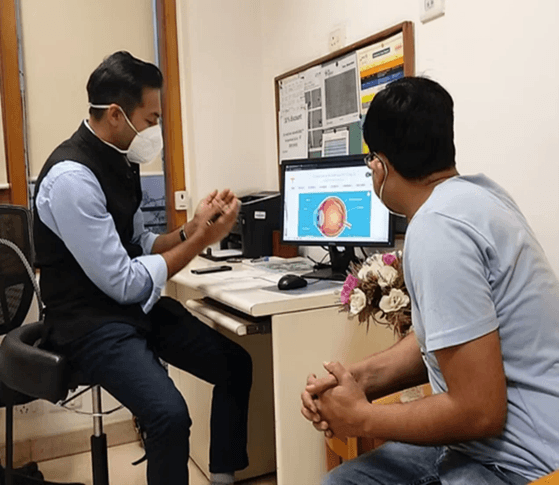
Want a precise cost estimate for your eye condition? Reach out to an expert to discuss the best course of action and detailed pricing.
Looking for the right specialist for eye injections? Let’s explore why Dr. Mayank Bansal is the ideal choice.
Why Choose Dr. Mayank Bansal for Eye Injections in Delhi?

Expertise and Experience:
With extensive experience in treating retinal conditions, Dr. Mayank Bansal specializes in the administration of intravitreal injections for conditions like macular degeneration and diabetic retinopathy.

Advanced Techniques:
Dr. Bansal uses the latest techniques and medications to ensure precise and effective treatment, minimizing risks and enhancing outcomes.

Patient-Centered Care:
At Claritas Eye & Retina Institute, Dr. Bansal provides personalized care tailored to each patient’s needs, ensuring comfort throughout the procedure and recovery.

Reputed Eye Hospital in Delhi:
Claritas is known for its cutting-edge technology and expert staff, ensuring the highest standards of safety and care.

Global Credentials:
Trained internationally, Dr. Bansal follows the latest standards and practices in retinal care, offering world-class treatment in Delhi.

FAQs
1. Is the injection painful?
2. Can I drive after getting an eye injection?
3. How often do I need eye injections?
4. Do I need to stop using my contacts before the procedure?
5. How quickly can I expect results after the injection?
Disclaimer: The information shared in this content is for educational purposes and not for promotional use.